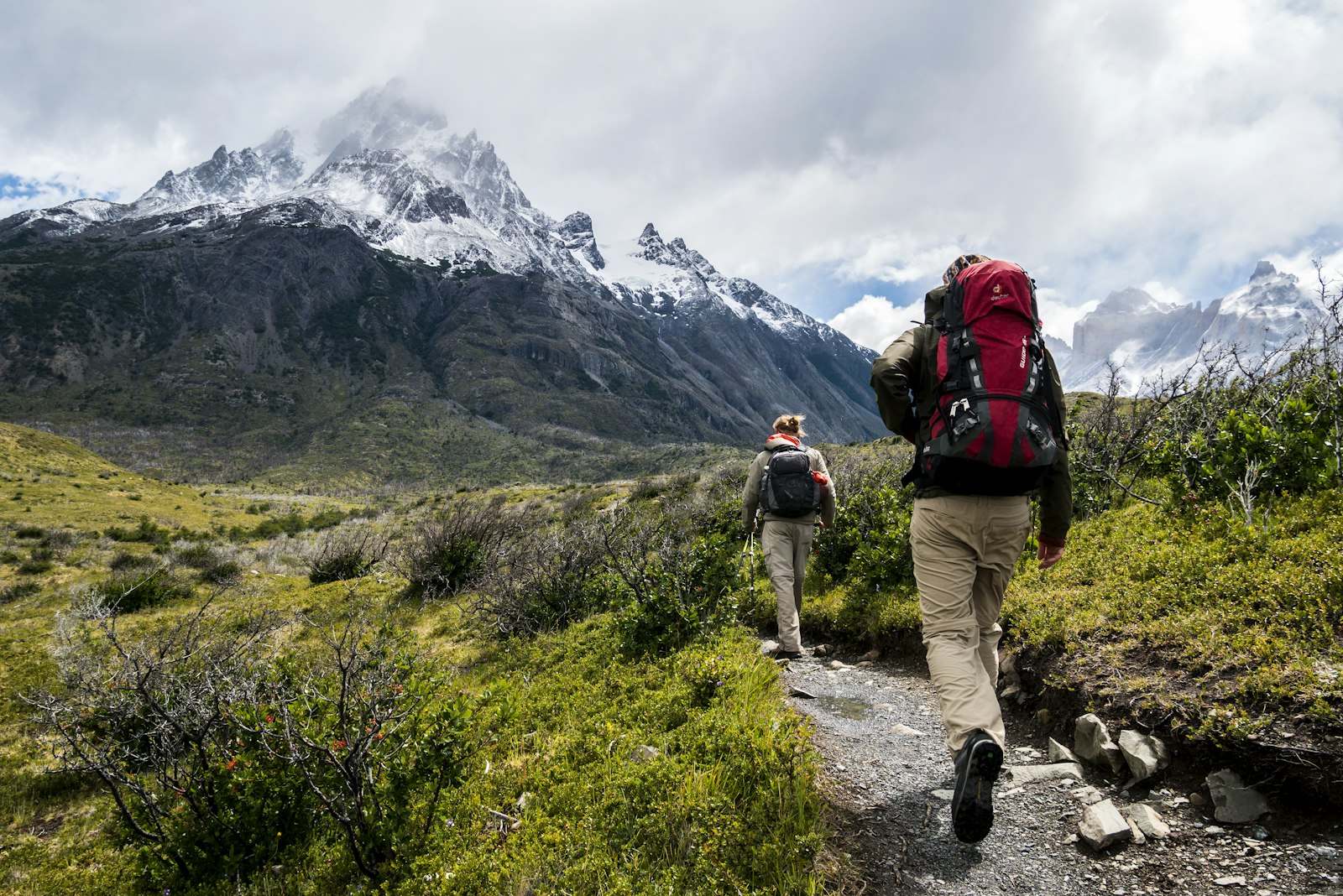
Established Stewardship Since 1987
Preserving Trails for Generations of Outdoor Discovery
Calhoun Trails and Recreation Foundation connects communities to nature through sustainable trail systems, conservation partnerships, and inclusive recreation across the American Midwest.
Explore Our Mission Partner With UsSection 01
Our Foundation Story
Born from a coalition of landowners, civic leaders, and outdoor enthusiasts, we transform underutilized landscapes into accessible recreation assets that strengthen regional economies and public health.
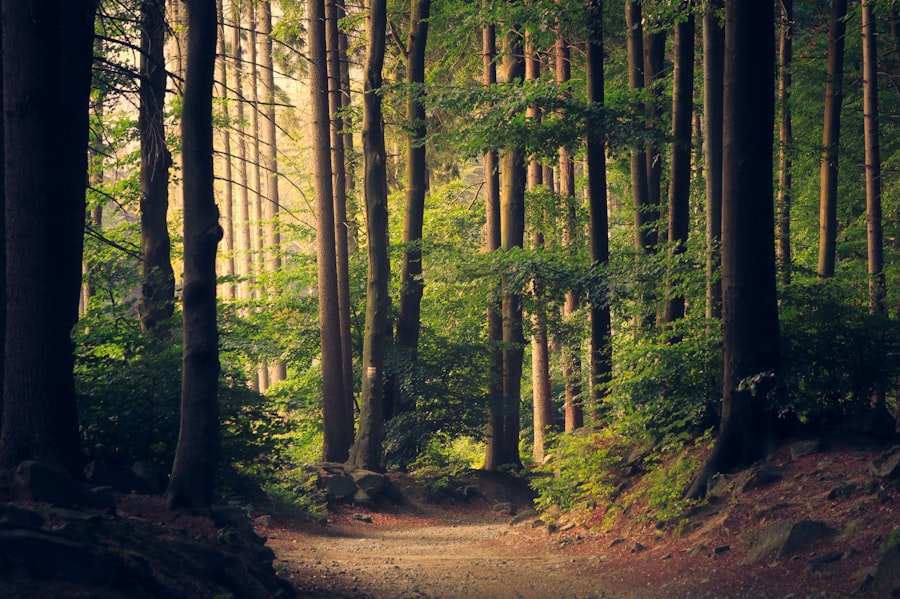
Calhoun Trails and Recreation Foundation operates as a nonprofit steward dedicated to designing, maintaining, and advocating for multi-use trail networks. Our headquarters in Fort Dodge, Iowa anchors statewide programming that balances ecological integrity with growing recreational demand.
From interpretive signage to bridge rehabilitation, every initiative reflects rigorous land-management standards and transparent community governance.
Section 02
Mission & Vision
Our Mission
To expand responsibly managed outdoor recreation corridors, educate the public on environmental stewardship, and ensure equitable trail access for all ages and abilities across our service region.
Our Vision
A connected landscape where every community enjoys safe, scenic pathways—linking urban centers to wild spaces—supported by enduring philanthropic investment and collaborative public-private partnerships.
Section 03
Core Values
Stewardship
Long-term ecological health guides every trail design and maintenance decision we undertake.
Inclusion
Recreation opportunities must welcome diverse users regardless of experience or mobility.
Integrity
Transparent funding, accountable governance, and ethical land agreements define our operations.
Innovation
We adopt proven trail engineering, GIS mapping, and volunteer coordination technologies.
Section 04
Foundation History
Section 05
Leadership & Governance
Our board and executive team unite conservation science, public policy, and recreation industry expertise.

Ingram Shannon Dinse
Executive Director — Strategic partnerships, grant administration, and foundation operations.

Dr. Elena Marsh
Director of Conservation — Habitat assessment, erosion control, and native species programs.

Marcus Reid
Trail Operations — Field crews, equipment logistics, and seasonal maintenance scheduling.
Section 06
Trail Network Overview
Our integrated network spans hardwood forests, prairie remnants, riparian corridors, and converted rail-trails. Each segment receives GPS inventory, condition ratings, and annual safety audits.
- Central Iowa Heritage Loop — 89 miles
- Des Moines River Greenway — 54 miles
- Calhoun Ridge Backcountry — 41 miles
- Fort Dodge Urban Connector — 18 miles
Section 07
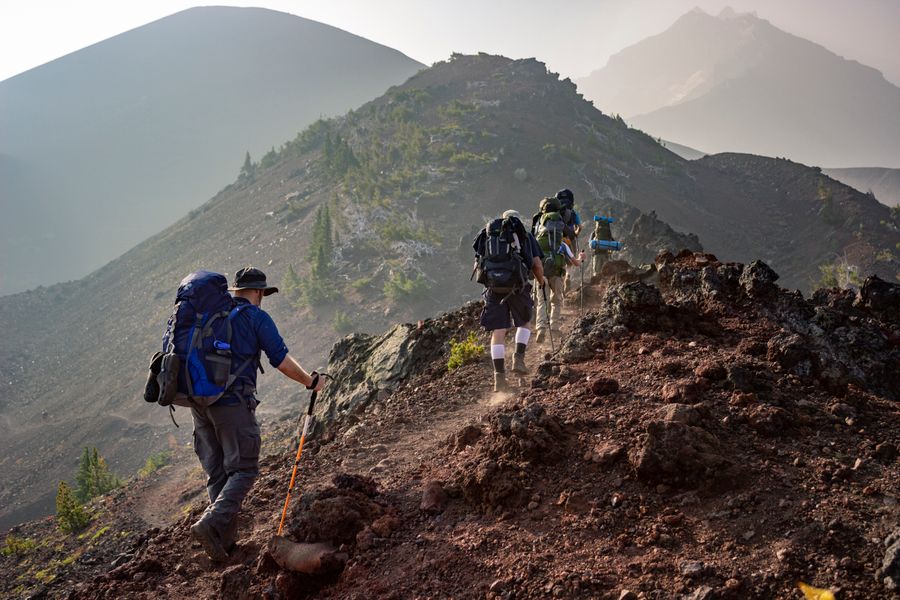
Hiking Corridors
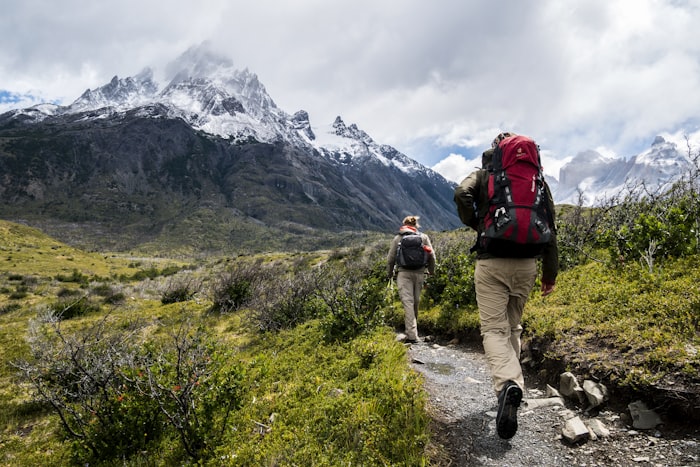
Summit Ridge Trail
Moderate 14-mile loop with panoramic overlooks and interpretive geology markers.
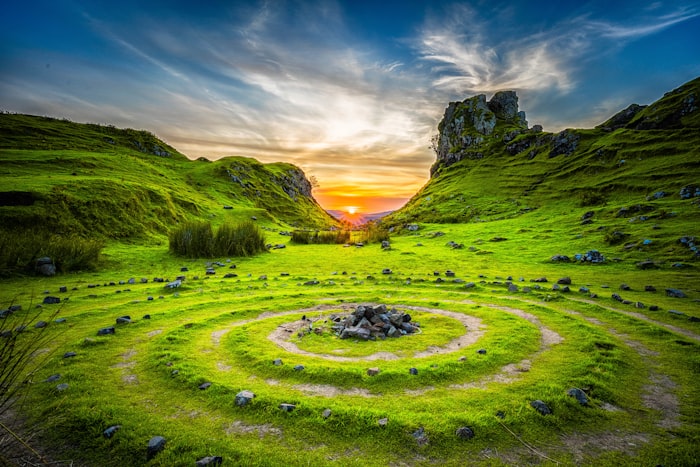
Riverside Walk
Accessible 6-mile paved path along the Des Moines River with wildlife viewing platforms.

Prairie Crest Path
Easy family-friendly route through restored tallgrass prairie ecosystems.
Section 08
Cycling Routes
Purpose-built surfaces accommodate road cyclists, gravel adventurers, and adaptive hand-cycle users.
Rail-Trail Conversion Program
Former railway corridors provide gentle grades ideal for touring bikes and e-bike commuters. Rest stations every eight miles include repair stands and potable water.
Featured Route: Calhoun Velocity Line — 32 miles of crushed limestone with dedicated equestrian crossover zones.
Section 09
Water Recreation
Lakes & Waterways Access
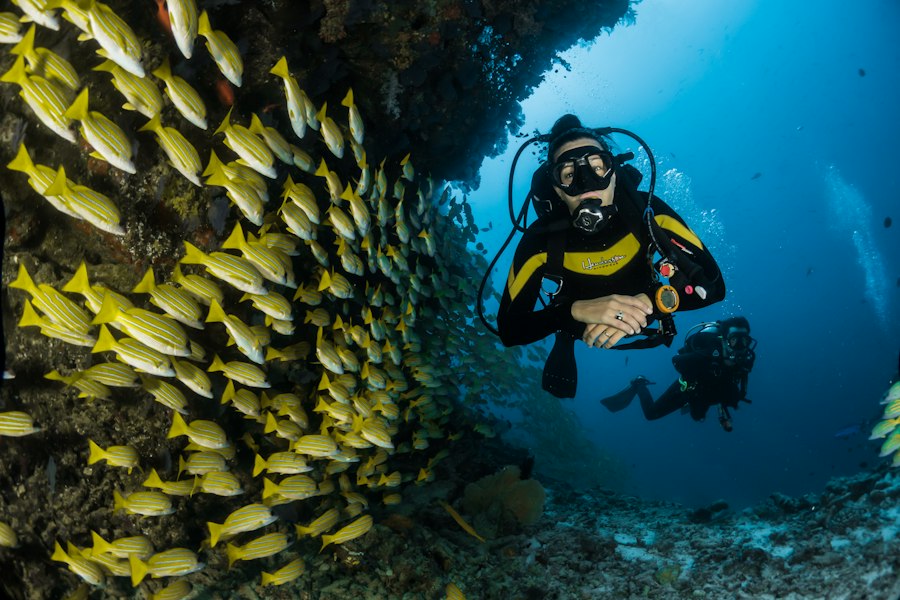
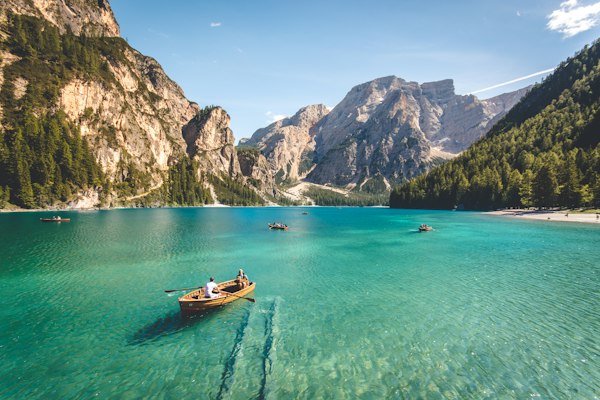
Foundation-managed launches support non-motorized paddling, shoreline fishing platforms, and ADA kayak transfers. Seasonal water quality monitoring ensures safe public use.
Section 10
Winter Programs

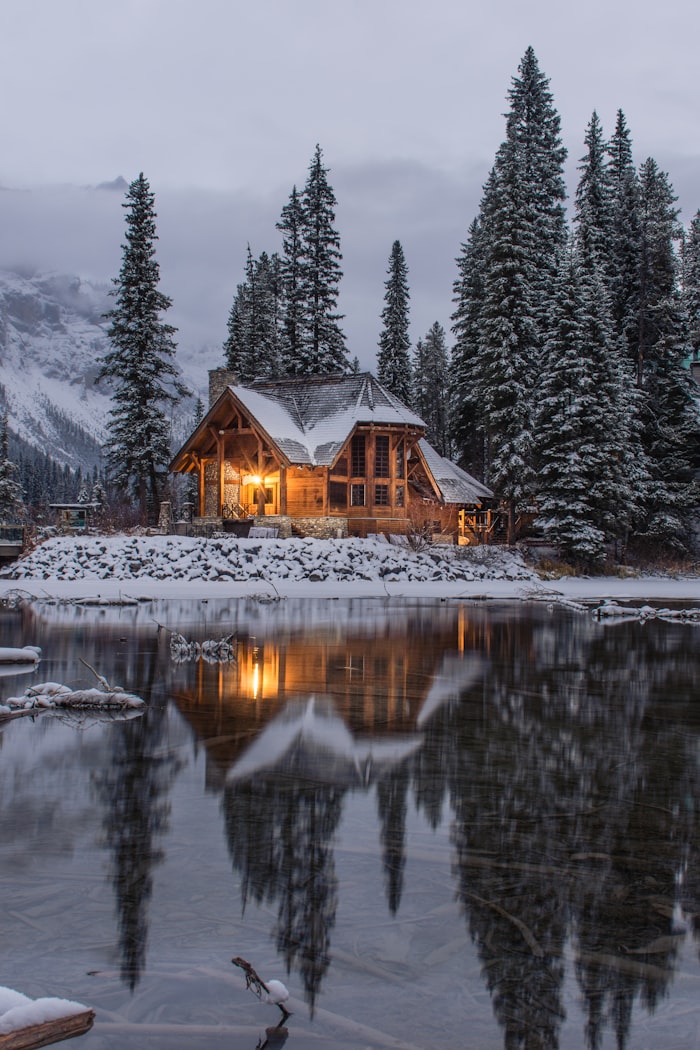
Nordic Ski Tracks
Groomed classic and skate lanes on 22 miles of dedicated winter corridors.
Snowshoe Trails
Marked routes with warming shelters and guided full-moon excursions.

Fat Bike Routes
Compacted snow paths maintained weekly for cold-weather cycling enthusiasts.
Section 11
Youth Outdoor Education
Curriculum-aligned field experiences cultivate environmental literacy and leadership skills for students grades K-12.
Trail Rangers
Week-long summer camps teaching navigation, Leave No Trace ethics, and basic first aid.
Junior Stewards
School-year service projects including invasive species removal and native planting.
STEM on Trails
Hands-on ecology labs measuring water quality, soil composition, and biodiversity.
Scholarship Fund
Need-based awards enabling underserved youth to attend expedition programs.
Section 12
Community Events
Each October, land managers, municipal planners, and recreation advocates convene for keynote sessions, corridor planning workshops, and networking receptions at our Fort Dodge headquarters region.

Monthly volunteer mobilizations restore tread surfaces, clear drainage, and install wayfinding. Tools, safety gear, and refreshments provided. Registration opens two weeks prior via cirtifi.us.
Celebrate the summer solstice with guided night hikes, acoustic performances at meadow amphitheaters, and local artisan markets along the Central Iowa Heritage Loop.
Section 13
Volunteer Corps
More than twelve thousand volunteers contribute annually to trail maintenance, visitor services, and administrative support. Corps members receive training certifications recognized by state parks agencies.
Trail Crew Completion Rate
Visitor Ambassador Training

Section 14
Accessibility Initiatives
Universal design principles ensure meaningful recreation experiences for visitors with diverse mobility needs.
ADA Corridors
42 miles of compliant pathways with grade limits, rest intervals, and tactile guidance where applicable.
Adaptive Equipment
Free loaner all-terrain wheelchairs and hand cycles at four gateway visitor centers.
Sensory-Friendly Hours
Designated low-traffic periods and quiet zones for neurodiverse visitors and families.
Section 15
Conservation Programs
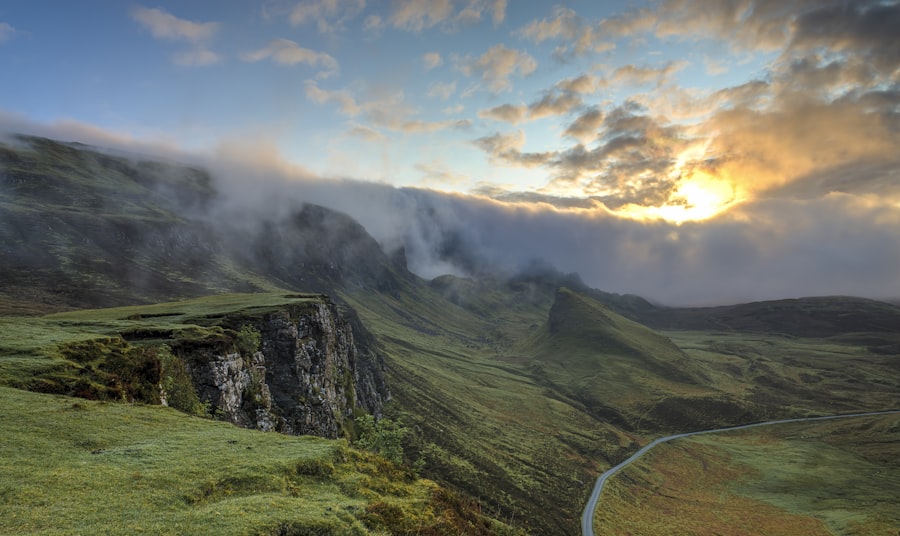
Strategic land acquisitions and conservation easements protect critical watersheds, migratory corridors, and old-growth forest patches adjacent to recreation routes.
Our science team monitors invasive species, conducts prescribed burns on prairie segments, and partners with universities on longitudinal biodiversity studies.
Section 16
Wildlife Habitat Stewardship

Avian Corridors
Nesting box programs and seasonal closure zones protect raptor and songbird populations.
Large Mammal Passage
Underpass structures and habitat connectors reduce trail-wildlife conflicts.

Pollinator Meadows
Native wildflower buffers along trail edges support bees and monarch migration.
Section 17
Safety & Trail Etiquette
Visitor Safety Protocols
- Check trail conditions and weather alerts before departure
- Carry adequate water, navigation tools, and communication devices
- Report hazards via our mobile app or ranger stations
- Observe seasonal wildlife closures and fire restrictions
Shared-Use Etiquette
- Hikers yield to equestrians; cyclists announce when passing
- Stay on designated tread to prevent erosion and habitat damage
- Pack out all waste; respect quiet hours in camping zones
- Leash pets where required; clean up after animals
Section 18
Strategic Partnerships
Collaboration amplifies our capacity to acquire land, secure funding, and deliver world-class recreation infrastructure.
Section 19
Membership Tiers
Trail Friend — $50/yr
Newsletter, digital trail map, and member decal.
Pathfinder — $150/yr
All Friend benefits plus guided hike reservations and gear discounts.
Legacy Circle — $500/yr
Recognition plaque, annual dinner invitation, and naming opportunities.
Section 20
Impact & Grant Funding
$4.2M
Infrastructure grants secured in the past fiscal year for bridge and boardwalk projects.
186
Acres permanently protected through conservation easement acquisitions.
2.1M
Annual trail visits recorded across all foundation-managed corridors.
340
Jobs supported through regional outdoor recreation economic impact studies.
Section 21
Seasonal Recreation Guide
Wildflower blooms peak along Prairie Crest Path in May. Mushroom foraging workshops and birding festivals launch the outdoor season.
Peak camping, paddling, and cycling months. Extended daylight hours with ranger-led twilight interpretive walks every Friday.
Fall foliage drives heritage loop visitation. Harvest-themed fun runs and photography contests celebrate autumn landscapes.
Nordic grooming begins after first sustained snowfall. Ice safety clinics and winter survival workshops offered monthly.
Section 22
Resources & Downloads
Volunteer Handbook
Safety protocols, tool usage guides, and reporting procedures for corps members.
Download →Grant Application Kit
Municipal and nonprofit partners access funding request templates and budgets.
Download →Section 23
News & Updates
March 2026
Heritage Loop Extension Approved
County commissioners authorize 12-mile eastern extension connecting Fort Dodge to regional state parks.
February 2026
Record Volunteer Turnout
Winter maintenance crews exceed annual participation goals by thirty percent amid expanded grooming operations.
January 2026
New Gateway Center Opens
Visitor center at Central Avenue corridor features exhibits, gear rental, and accessibility equipment loans.
Section 24
Community Voices
"The foundation transformed abandoned rail lines into the backbone of our town's tourism economy."— Mayor Patricia Cole, Fort Dodge
"Our students discover science in the field thanks to Trail Rangers programming every summer."— James Whitaker, District Educator
"As a hand-cycle user, ADA corridors finally let me experience backcountry joy with my family."— Rebecca Tran, Adaptive Athlete
Section 25
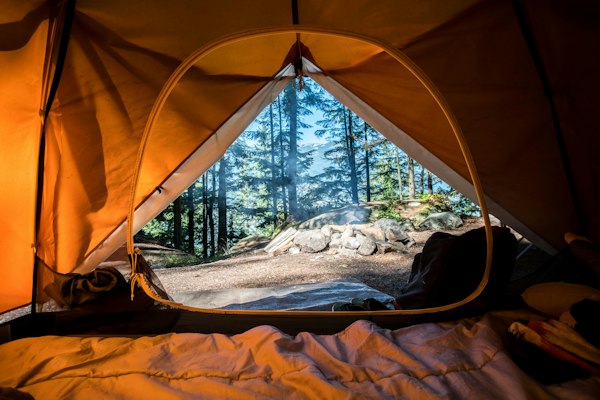
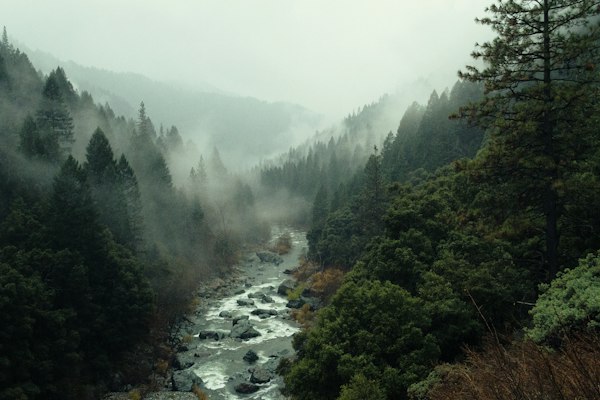
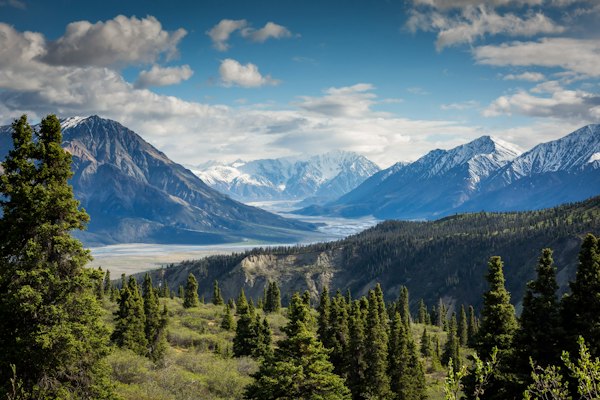
Trail Gallery


Section 26
Equestrian Trail Systems
Dedicated equestrian corridors feature crushed aggregate surfaces, hitching posts, and stream crossings engineered for hoof traffic. Riders must display foundation permits and follow biosecurity guidelines at trailheads.

Section 27
Camping & Overnight Stays
Primitive Sites
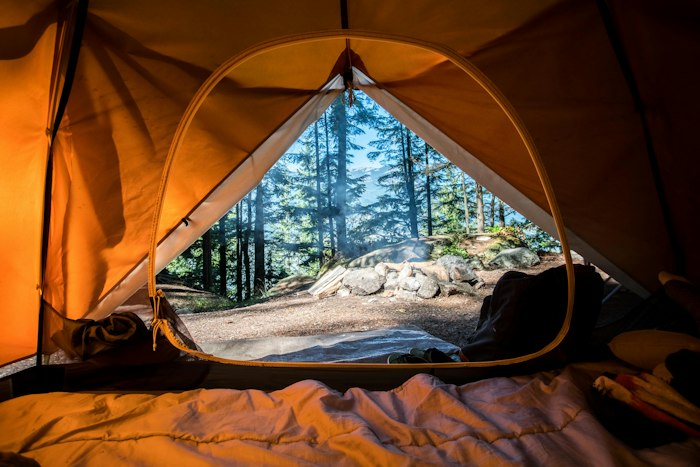
Leave No Trace campsites spaced along backcountry loops with vault toilets.

Group Areas
Reservable meadows for scout troops and corporate retreats up to 40 participants.

Gateway Cabins
Four-season cabins with ADA options near Fort Dodge connector trailhead.
Section 28
Research & Policy Advocacy
Evidence-based policy positions strengthen public investment in trails as essential health and climate resilience infrastructure.
Economic Impact Studies
Annual analysis documents visitor spending, job creation, and property value effects near trail corridors.
Legislative Engagement
Foundation representatives testify on recreation funding bills and public lands access legislation.
Section 29
Support Our Work
Philanthropic gifts fund land acquisition, youth scholarships, and emergency trail repairs after severe weather events.
Make an InquirySection 30
Frequently Asked Questions
Section 31
Contact Us
Calhoun Trails and Recreation Foundation
Address:
822 Central Ave Ste 400
Fort Dodge, IA, 50501-3943
United States
Contact Person:
Ingram Shannon Dinse
Phone:
+1-5155764763
Email:
INGRAMSHANNONDINSE@cirtifi.us
Website:
cirtifi.us